4-0-8-0 Breathing
Also known as Extended Exhale Pattern, 1:2 Calming Breath, Acute Anxiety Relief
Extended exhale without holds maximizes parasympathetic activation while avoiding potential anxiety triggers from breath retention. Adjust timing to comfort while maintaining 1:2 ratio.
Practice this techniqueBenefits
- Rapid parasympathetic activation during anxiety spikes
- Immediate vagal nerve stimulation
- Reduces hyperarousal without breath-hold triggers
- Restores calm breathing rhythm
Position
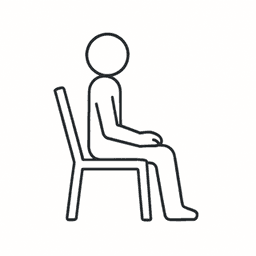 Recommended
Seated - Back Erect
Upright, alert, formal meditation pose
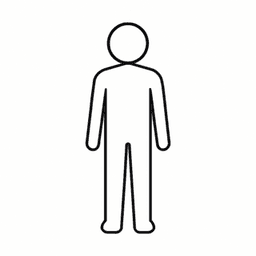
Standing
Upright, stable, alert
Sitting or standing both work well for this anxiety relief technique
How to practice
- 1Sit or stand with feet grounded, shoulders relaxed, and spine naturally lengthened. Keep eyes open and softly focused for discreet practice in public settings.
- 2Inhale slowly and gently through the nose for 4 seconds, allowing the lower belly to expand naturally without forcing. If 4 seconds feels uncomfortable, adjust to 3 seconds—the key is maintaining the 1:2 ratio.
- 3Begin exhaling immediately without any hold, releasing breath slowly through the nose (or pursed lips for added control) for 8 seconds—twice as long as the inhale. If 8 seconds feels too long, exhale for 6 seconds to match a 3-second inhale, maintaining the 1:2 ratio.
- 4Transition smoothly into the next inhale without pausing after the exhale, maintaining a continuous flowing rhythm.
- 5Repeat this breath cycle for at least 5-7 minutes (approximately 5 breath cycles per minute) until heart rate slows and anxiety begins to ease. Remember: comfort is more important than exact timing—adjust to 3-6 if needed, as long as you keep the exhale twice as long as the inhale.
Good for
Research
Evidence level: Well-Supported
Laborde, S. et al. (2021)
Sustainability
Slow-Paced Breathing: Influence of Inhalation/Exhalation Ratio on Cardiac Vagal Activity. Exhale longer than inhale significantly increased vagal activity and heart rate variability (HRV) with extended exhalation patterns. Recommends breathing patterns with 1:2 or greater exhale-to-inhale ratios for direct parasympathetic nervous system activation.
Cited for Anxiety · Anxiety Hitting
Safety & cautions
- No significant contraindications for this pattern as it avoids breath holds
- Those with severe respiratory conditions (COPD, severe asthma) should start gently and may need shorter durations
- If experiencing active hyperventilation, establish normal breathing first before extending exhale
- Consult healthcare provider if you have uncontrolled cardiovascular conditions
- This pattern is safer for anxiety disorders than techniques with breath holds
- If the 4-8 timing feels uncomfortable or creates strain, adjust to 3-6 seconds while maintaining the 1:2 ratio
- If you feel lightheaded even with the shorter timing, take a few normal breaths before resuming
- Stop if you experience chest discomfort, severe breathlessness, or increased anxiety
- The absence of breath holds makes this suitable for those with panic disorder or claustrophobia
- Keep breath smooth and comfortable—never strain or force the exhale
- The 1:2 ratio (exhale twice as long as inhale) is what matters most, not the exact second count