Diaphragmatic Breathing
Also known as Belly Breathing, Deep Breathing
EasyWell-SupportedWestern Clinical Practice
4Inhale
0Hold
6Exhale
0Hold
Standard pattern for general wellness
Practice this techniqueBenefits
- Reduces stress and anxiety
- Lowers blood pressure
- Improves oxygen exchange
- Activates parasympathetic nervous system
- Reduces cortisol levels
- Enhances digestion
Position
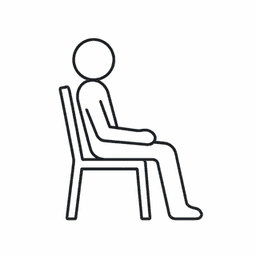 Recommended
Seated - Back Rested
Supported back, comfortable but attentive
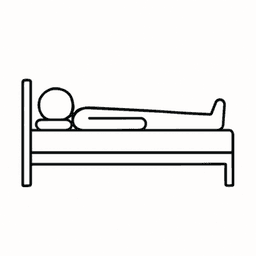
Lying Down - Knees Straight
Flat on back, legs extended
Sitting or lying down both work well for this foundational breathing practice
How to practice
- 1Find a comfortable position lying down or sitting with back straight.
- 2Place one hand on your chest and the other on your belly below the rib cage.
- 3Breathe in slowly through your nose, allowing your belly to push your hand out.
- 4The hand on your chest should remain as still as possible.
- 5Breathe out slowly through pursed lips, feeling your belly hand go in.
- 6Use the belly hand to help push all the air out.
- 7Repeat this breathing pattern consistently.
Good for
General wellnessDaily stressCOPD supportAnxiety disorders
Research
Evidence level: Well-Supported
This technique is grounded in established breathwork research; technique-specific citations are still being added.
Safety & cautions
- Usually safe for most people; those with acute respiratory distress or severe cardiac issues should practise under medical supervision
- Place one hand on the belly to ensure gentle diaphragmatic movement. Avoid breath-holding; if dizziness or breathlessness occurs, stop and return to regular breathing