Diaphragmatic Breathing for Hypertension
Also known as Blood Pressure Breathing, Resonance Belly Breathing
EasyWell-SupportedWestern Clinical Practice
5Inhale
0Hold
5Exhale
0Hold
Resonance frequency breathing for blood pressure management
Practice this techniqueBenefits
- Reduces systolic and diastolic blood pressure
- Optimizes heart rate variability
- Activates parasympathetic nervous system
- Improves autonomic balance
- Reduces stress hormones
- Enhances cardiovascular health
Position
 Recommended
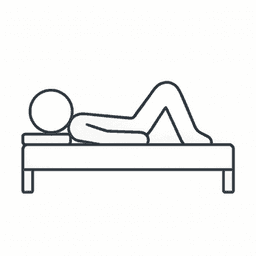
Lying Down - Knees Folded
On back with knees bent up
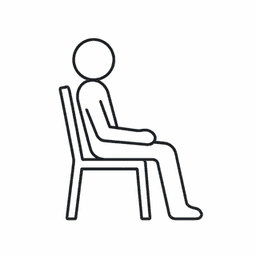
Seated - Back Rested
Supported back, comfortable but attentive
Lying down preferred for blood pressure management, sitting also works
How to practice
- 1Find a comfortable position:
- 2- If lying down: Lie on your back on a flat surface or in bed, with your knees bent and your head supported. You can use a pillow under your knees to support your legs
- 3- If seated: Sit comfortably, with your knees bent and your shoulders, head and neck relaxed
- 4Place one hand on your chest and the other on your belly below the rib cage
- 5Breathe in slowly through your nose for 5 seconds, allowing your belly to push your hand out
- 6Breathe out slowly through your nose for 5 seconds, feeling your belly hand go in
- 7The hand on your chest should remain as still as possible
- 8Focus on smooth, steady breathing maintaining the 5-5 pattern
- 9This creates approximately 6 breaths per minute, optimal for cardiovascular health
- 10Keep the flow soft and quiet; imagine tension melting on each exhale
- 11Repeat this pattern consistently
Good for
Essential hypertensionPre-hypertensionStress-related blood pressure elevationCardiovascular health maintenance
Research
Evidence level: Well-Supported
Shaffer & Meehan (2020)
Frontiers in Neuroscience
Comprehensive evidence-based guide demonstrates that diaphragmatic breathing at resonance frequency optimizes heart rate variability, enhances cardiovascular function, and promotes parasympathetic activation for stress reduction and emotional regulation
Cited for Breathe for Your Body · High Blood Pressure
Safety & cautions
- Usually safe for most people; those with acute respiratory distress or severe cardiac issues should practise under medical supervision
- If on blood pressure medication, monitor BP regularly and consult physician as medication may need adjustment
- Keep breathing gentle and natural. Stop if lightheaded or dizzy. Regular practice is more effective than occasional long sessions.
- This is a complementary practice and should not replace prescribed blood pressure medication without physician consultation