Breath Counting Meditation
Also known as Counting Breaths, Focused Attention Practice
Natural breathing rhythm without manipulation. Count only at the end of each exhalation. No breath retention or forced pacing.
Practice this techniqueBenefits
- Develops concentration and mental discipline
- Calms mental chatter and repetitive thinking
- Builds foundation for deeper meditation practice
- Reduces stress and anxiety
- Enhances present moment awareness
- Stabilizes attention and reduces distraction
- Provides immediate feedback on mental state
Position
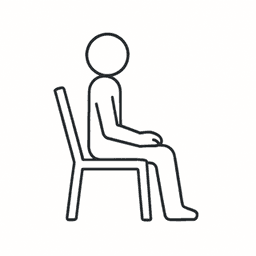 Recommended
Seated - Back Erect
Upright, alert, formal meditation pose
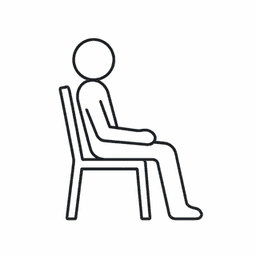
Seated - Back Rested
Supported back, comfortable but attentive
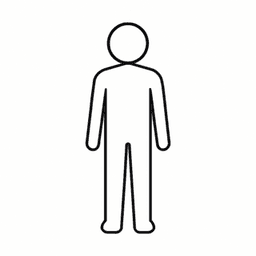
Standing
Upright, stable, alert
Sitting recommended for focus, but can be done in any position once concentration develops
How to practice
- 1Before beginning, set aside concerns about the day and release any expectations of perfection. Recognize that losing count is part of the practice, not a failure.
- 2Find a stable seated position with your back straight but not rigid.
- 3You may sit cross-legged on a cushion, kneel, or use a chair with feet flat on the floor. Once your concentration is established, this practice can also be done standing.
- 4Position your hands comfortably in your lap or on your thighs.
- 5Keep your eyes closed or maintain a soft, unfocused downward gaze.
- 6Allow your breathing to settle into its natural rhythm without forcing or controlling it.
- 7Count silently 'one' at the end of your first complete exhalation.
- 8Count 'two' at the end of your second exhalation, and continue this pattern.
- 9Count only the exhalations, up to a maximum of 10.
- 10When you reach 10, begin again at 1.
- 11If you lose count, forget where you are, or notice you've counted past 10, simply start over at 1 without judgment.
- 12When your mind wanders into thoughts, memories, or plans, gently acknowledge this and return to counting at 1. This moment of noticing is the practice working.
- 13The practice is not about reaching 10, but about noticing when attention drifts and returning it to the count.
- 14Continue this pattern for your full session duration.
- 15To end, take a few natural breaths without counting, then slowly open your eyes or lift your gaze.
- 16Note: Advanced practitioners may eventually practice without counting, simply observing the breath. The practice can be done in any posture once concentration develops, including while waiting or commuting. Most people find reaching 10 without losing count very difficult at first—this is completely normal. As skill develops, the counting becomes more automatic and the mind more stable.
Good for
Research
Evidence level: Well-Supported
Levinson et al. (2014)
Frontiers in Psychology
Across four independent studies with over 400 participants, breath counting was validated as a reliable behavioral measure of mindfulness, correlating with self-reported mindfulness and associated with greater meta-awareness, less mind wandering, and better mood
Cited for Build Foundation · Concentration
Safety & cautions
- Individuals with active psychosis or severe mental health conditions should practice only under professional supervision
- This is a safe, non-manipulative breathing practice suitable for most people.
- Count breaths gently and mentally without forcing concentration.
- If you become drowsy, try opening your eyes or adjusting your posture.
- Starting over at 1 is not failure—it's the core of the practice and shows awareness.
- If you experience unusual mental states or discomfort, return to normal breathing and consider seeking guidance from a therapist or experienced meditation teacher.
- Be patient with yourself; most people take months or years to maintain unbroken counts to 10.
- The practice becomes easier with consistency; daily short sessions are more effective than occasional long ones.