Loving-Kindness Meditation
Also known as Compassion Meditation, Kindness Practice
Easy to ModerateWell-SupportedTraditional Meditation Practice
0Inhale
0Hold
0Exhale
0Hold
Natural breathing rhythm synchronized with kindness phrases. No breath manipulation required. Phrases can be said on exhale or continuously.
Practice this techniqueBenefits
- Develops self-compassion and reduces self-criticism
- Increases positive emotions and psychological well-being
- Improves social connection and empathy
- Reduces symptoms of depression and anxiety
- Enhances emotional regulation
- Builds psychological resilience
- Decreases stress and promotes relaxation
Position
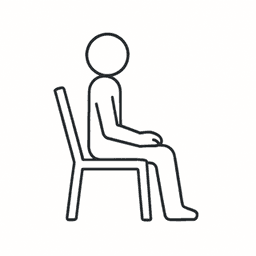
Seated - Back Erect
Upright, alert, formal meditation pose
Sitting with back straight is essential for this meditation practice
How to practice
- 1Sit in a comfortable position with your back straight.
- 2Close your eyes and take a few deep breaths to settle.
- 3Begin by directing kind wishes toward yourself.
- 4Silently repeat phrases such as: 'May I be happy. May I be healthy. May I be safe. May I live with ease.'
- 5Allow feelings of warmth and kindness to develop toward yourself.
- 6If self-directed kindness feels difficult, start with someone who naturally evokes warmth (a mentor, beloved pet, or child).
- 7Once established, extend the practice to a good friend or loved one, using their name: 'May [name] be happy. May [name] be healthy.'
- 8Continue with the same phrases for a neutral person (someone you see regularly but don't know well).
- 9Gradually extend to a difficult person in your life (start with mildly difficult, not someone who caused trauma).
- 10Finally, extend kindness to all people: 'May all people be happy. May all people be healthy. May all people be safe. May all people live with ease.'
- 11You may visualize each person as you send them well-wishes, or simply hold them in mind.
- 12Breathe naturally throughout, allowing the phrases to sync with your breath rhythm.
- 13If your mind wanders or you feel resistance, gently return to the phrases without judgment.
- 14End by taking a few breaths in silence, noticing any shifts in your emotional state.
- 15Note: The 'neutral person' category helps develop the capacity for universal kindness. Advanced practitioners may eventually drop the phrases and rest in the feeling of kindness itself. The practice can also be done informally throughout the day.
Good for
Depression and anxiety reductionSelf-compassion developmentRelationship improvementHealthcare worker burnout preventionChronic pain managementPTSD recovery supportAnger managementSocial anxiety reduction
Research
Evidence level: Well-Supported
Fredrickson et al. (2008)
Journal of Personality and Social Psychology
Randomized controlled field experiment with 139 working adults showed that seven weeks of loving-kindness meditation significantly increased daily positive emotions and personal resources including mindfulness, purpose in life, and social support while decreasing depressive symptoms
Cited for Build Foundation · Compassion
Safety & cautions
- Individuals with severe trauma, unresolved grief, or active PTSD symptoms should practice with professional guidance
- Those experiencing acute depression may find self-directed kindness initially challenging and should start with a mentor or loved one
- This is generally a safe practice for most people.
- It's normal to feel resistance, skepticism, or emotional discomfort when beginning—these feelings often soften with continued practice.
- If directing kindness toward yourself feels impossible, start with someone easier and gradually work back to self.
- Some practitioners experience unexpected emotions (grief, anger, sadness) as emotional barriers soften—this is normal.
- If overwhelming emotions arise, pause the practice, return to neutral breathing, and consider working with a therapist or counselor.
- The practice is not about forcing feelings but about setting intention—genuine emotions develop over time.
- You can modify the traditional phrases to words that resonate more personally with you.
- Consistency matters more than duration—5 minutes daily is more effective than occasional long sessions.
- Many people find extending kindness to themselves most challenging—this is extremely common.
- Working with 'difficult people' should be gradual—start with mildly irritating people, not those who caused serious harm.
- Over time, the phrases become less mechanical and genuine feelings of warmth arise more naturally.