Mindfulness of Breathing
Also known as Breath Awareness Meditation, Observational Breathing
EasyWell-SupportedTraditional Meditation Practice
0Inhale
0Hold
0Exhale
0Hold
Natural breathing rhythm, no manipulation, pure observation. This is a foundational mindfulness practice.
Practice this techniqueBenefits
- Develops mindfulness and present-moment awareness
- Reduces anxiety and stress
- Improves concentration and attention span
- Enhances emotional regulation
- Supports deeper meditation practice
- Calms mental activity and rumination
- Increases self-awareness
Position
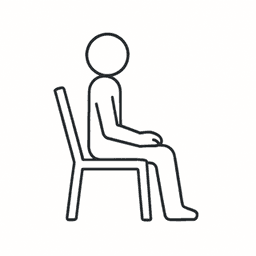
Seated - Back Erect
Upright, alert, formal meditation pose
Sitting with back upright is essential for this awareness practice
How to practice
- 1Sit in a stable, comfortable position with your back upright.
- 2Keep your back straight but not rigid.
- 3Close your eyes or soften your gaze downward.
- 4Bring your attention to your nostrils or upper lip area.
- 5Simply observe the natural breath as it flows in and out.
- 6Notice the sensation of breath at the nostrils—coolness on the inhale, warmth on the exhale.
- 7When your mind wanders to thoughts, memories, or plans, gently return attention to the breath.
- 8Don't control or manipulate the breathing—just observe it as it is.
- 9Notice the beginning, middle, and end of each breath.
- 10If you become drowsy, you can open your eyes slightly or adjust your posture.
- 11Continue observing the natural flow of breath for your full session duration.
- 12End with a moment of recognition of your practice effort.
Good for
Meditation practice and skill developmentAnxiety disordersADHD and attention difficultiesStress reductionEmotional regulationInsomnia and sleep preparationPain management support
Research
Evidence level: Well-Supported
Schöne et al. (2018)
Scientific Reports
Eight weeks of mindful breath awareness meditation led to improved cognitive performance and reduced neural resource allocation, indicating more efficient attentional processing with meditation-specific improvements in sustained visual attention and working memory
Cited for Build Foundation · Awareness
Safety & cautions
- Generally safe for healthy individuals; people with serious mental health conditions should seek guidance from a qualified therapist or counselor
- This is an awareness practice rather than forced breathing. If you experience emotional discomfort, return to normal breathing and consider professional guidance.
- The practice may bring awareness to underlying anxiety or discomfort—this is part of developing self-awareness.
- Start with shorter sessions (5-10 minutes) and gradually increase duration.
- If intrusive thoughts persist, this is normal—the practice is about noticing and returning, not eliminating thoughts.
- Consistency is more important than perfection—daily practice yields better results than occasional long sessions.