Physiological Sighs
Also known as Double Inhale Exhale
EasyWell-SupportedNeuroscience Research/Huberman
2Inhale
1Hold
6Exhale
0Hold
Double inhale (2+1 seconds) then long exhale; immediate downshift
Practice this techniqueBenefits
- Rapidly downregulates stress
- Mimics natural calming reflex
- Quickly shifts nervous system
- Provides immediate relief
- Easy to remember and use
- Scientifically validated
Position
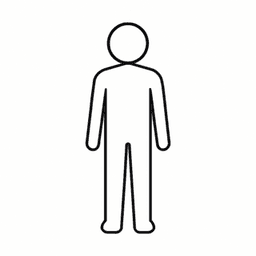 Recommended
Standing
Upright, stable, alert
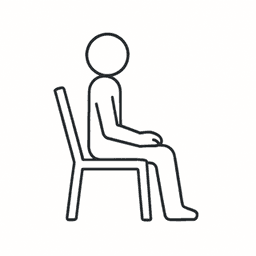
Seated - Back Erect
Upright, alert, formal meditation pose
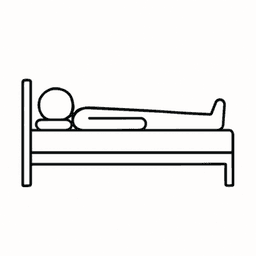
Lying Down - Knees Straight
Flat on back, legs extended
Can be done in any position - most flexible technique
How to practice
- 1Can be done in any position - sitting, standing, or lying down
- 2Take a deep inhalation through your nose, filling your lungs about 80-90%
- 3Without exhaling, immediately take a second, short "sip" of air through your nose to completely fill your lungs to capacity
- 4This creates a double inhale without any exhale in between - you should feel your lungs fully expanded
- 5Immediately exhale long and slowly through your mouth, releasing all the air in a controlled, extended breath
- 6The exhale should be noticeably longer than your total inhale time - aim for at least twice as long
- 7This completes one cycle
- 8Pause briefly with empty lungs, then repeat the cycle
- 9Continue for 1-3 cycles when you need immediate stress relief, or practice for 1-2 minutes (approximately 5-10 cycles)
- 10Can be used anytime you feel stressed, anxious, or need to quickly downregulate arousal
Good for
Acute stress reliefAnxiety managementQuick calming techniqueEmergency stress responseDaily stress managementPanic attacks
Research
Evidence level: Well-Supported
Balban et al. (2023)
Cell Reports Medicine
Randomized controlled trial of 111 participants found that cyclic sighing (physiological sighs emphasizing prolonged exhalations) performed for just 5 minutes daily over one month produced the greatest improvement in positive mood and the most significant reduction in respiratory rate
Cited for Emotions · Strong Emotion Hitting
Safety & cautions
- No specific medical contraindications reported, but people with anxiety disorders or hyperventilation tendencies should start slowly
- The technique mimics a natural sigh (two quick inhales followed by a long exhale). Avoid over-inhaling; if you feel dizzy, discontinue and resume normal breathing