4-7-8 Breathing
Also known as Relaxing Breath, Weil's Breathing
EasyWell-SupportedDr. Andrew Weil/Western Adaptation
4Inhale
7Hold
8Exhale
0Hold
Specific 4:7:8 ratio, exhale through mouth with sound
Practice this techniqueBenefits
- Promotes rapid relaxation
- Aids sleep onset
- Reduces anxiety
- Lowers blood pressure
- Activates relaxation response
- Manages acute stress
Position
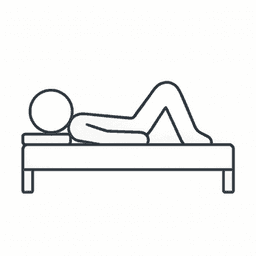 Recommended
Lying Down - Knees Folded
On back with knees bent up
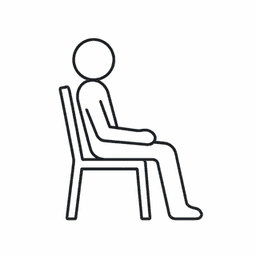
Seated - Back Rested
Supported back, comfortable but attentive
Can be done sitting with the back rested or lying down with the knees folded; lying down is best for sleep preparation.
How to practice
- 1Sit comfortably with your back rested, or lie down with your knees folded.
- 2Place the tip of your tongue against the roof of your mouth behind your teeth.
- 3Exhale completely through your mouth, making a whoosh sound.
- 4Close your mouth and inhale quietly through your nose for 4 counts.
- 5Hold your breath for 7 counts.
- 6Exhale completely through your mouth for 8 counts, making a whoosh sound.
- 7This completes one cycle. Repeat for up to 4 cycles initially.
Good for
InsomniaAnxiety attacksPre-sleep routineStress managementBlood pressure reduction
Research
Evidence level: Well-Supported
Wiboonkij et al. (2022)
Physiological Reports
Controlled study (n=43) examining immediate physiological effects of 4-7-8 breathing demonstrated improved heart rate variability, increased parasympathetic activity, and improved autonomic balance
Cited for Sleep · Before Sleep
Safety & cautions
- Those with heart conditions, severe medical conditions or who are pregnant should consult a healthcare professional before practising deep breathing with holds
- Beginners might feel light-headed; start with only four rounds and gradually increase. Stop if you experience dizziness or breathlessness