Box Breathing
Also known as Tactical Breathing, 4-4-4-4 Breathing, Square Breathing
Equal phases; adjust to 3–6 seconds per phase. If holds feel uncomfortable (e.g., pregnancy, asthma, anxiety), use 4-0-4-0 instead.
Practice this techniqueBenefits
- Reduces stress and anxiety (noticeable calm within minutes)
- Improves focus and concentration
- Supports healthy blood pressure and heart rate
- Enhances performance under pressure (used by military and first responders)
- Provides a mental anchor to interrupt racing thoughts
- Balances the autonomic nervous system, promoting a calm yet alert state
Position
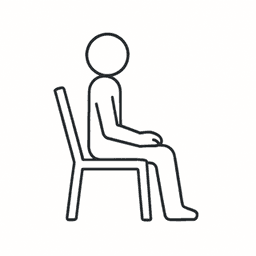 Recommended
Seated - Back Erect
Upright, alert, formal meditation pose
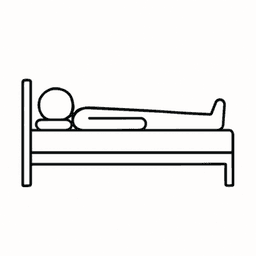
Lying Down - Knees Straight
Flat on back, legs extended
Sitting recommended for focus, lying down also works for relaxation
How to practice
- 1Sit comfortably with your back supported or upright, and feet steady on the floor (or lie down if preferred).
- 2Close your eyes or soften your gaze downward.
- 3Exhale gently through your mouth or nose until your lungs feel comfortably empty.
- 4Inhale slowly and quietly through your nose for a count of 4, filling about 70–80% of your lung capacity.
- 5Hold your breath gently for a count of 4. Keep your body relaxed.
- 6Exhale slowly through your nose or mouth for a count of 4.
- 7Hold again for a count of 4 with lungs softly empty. Avoid any feeling of strain or air hunger.
- 8This completes one cycle—repeat for several cycles, maintaining a smooth, even rhythm.
- 9If 4-second phases feel difficult, adjust to 3, 5, or 6 seconds per phase, or skip holds until comfortable.
Good for
Research
Evidence level: Well-Supported
Balban et al. (2023)
Cell Reports Medicine
Randomized controlled trial (N=108) comparing box breathing with other breathing techniques over one month found significant improvements in mood and reduced anxiety, with all breathwork conditions producing greater improvement than mindfulness meditation alone
Cited for Stress · Before Going Into Situations
Safety & cautions
- Long or forceful breath holds should be avoided if you have:
- • Uncontrolled heart or blood pressure conditions
- • Severe or unstable asthma or COPD
- • Recent lung injury (e.g., collapsed lung)
- • Glaucoma or recent eye surgery
- • Epilepsy or seizure history
- • Pregnancy (avoid long holds or any breathlessness)
- Keep all holds gentle—never strain or push through discomfort.
- Stop immediately if you feel air hunger, chest pressure, tingling, dizziness, or rising anxiety.
- Practice seated or lying down until you know how your body responds.
- Consult a doctor before starting if you have cardiovascular, respiratory, neurological, or eye conditions, or if you are pregnant.