Right Nostril Breathing
Also known as Surya Bhedana, Solar Breathing, Right Nasal Breathing, Surya Anulomaviloma
Natural, unforced breathing rhythm through right nostril only. No specific count required - breathe at your natural pace. Study showed effects after 10 minutes of continuous practice.
Practice this techniqueBenefits
- Increases alertness and energy levels
- Activates sympathetic nervous system (arousal state)
- Enhances cognitive activation and mental clarity
- Increases brain activity in frontal and central regions
- Promotes high-energy states and vitality
Position
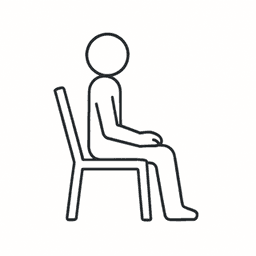 Recommended
Seated - Back Erect
Upright, alert, formal meditation pose
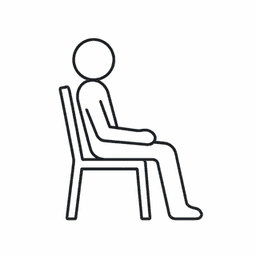
Seated - Back Rested
Supported back, comfortable but attentive
Upright seated position is essential for optimal nasal airflow and to maintain alertness. Erect spine helps facilitate the energizing effects of the practice. Can also be done seated with back rested.
How to practice
- 1Step 1: Sit comfortably with your spine straight and shoulders relaxed
- 2Step 2: Bring your left hand to your nose. Use your left thumb to gently close your left nostril
- 3Step 3: Keep your left nostril closed throughout the entire practice
- 4Step 4: Breathe naturally and normally through only your right nostril - both inhale and exhale
- 5Step 5: Maintain natural breathing rhythm without forcing or straining. Allow the breath to flow smoothly
- 6Step 6: Keep your attention on the sensation of breath flowing through your right nostril
- 7Step 7: Continue for the desired duration (minimum 5 minutes, optimal 10 minutes for measurable brain changes)
- 8Step 8: When complete, release your left nostril and breathe normally through both nostrils for a minute to integrate
Good for
Research
Evidence level: Well-Supported
Niazi IK et al. (2022)
Scientific Reports
Right nostril breathing significantly increased brain activity in frontal and central regions associated with arousal states, while decreasing posterior activity linked to relaxation (p<0.001, n=30)
Cited for Energy · Energizing
Safety & cautions
- Active nasal congestion, sinus infection, or upper respiratory infection
- Significant nasal septum deviation or obstruction
- History of respiratory conditions (consult physician first)
- Current smokers or recent ex-smokers (less than 5 years)
- Individuals with anxiety disorders may find this too activating - use with caution
- High blood pressure or heart conditions - consult physician before practice
- Anyone feeling overly stimulated or experiencing hyperarousal
- Not recommended before bedtime as it may interfere with sleep
- Do not force the breath or apply excessive pressure to the nostril
- Stop immediately if you experience dizziness, lightheadedness, or discomfort
- If you feel too activated or anxious, switch to normal breathing through both nostrils
- Maintain natural breathing - never strain or create tension
- If the right nostril becomes congested during practice, take a break
- Practice in a well-ventilated space with clean air
- Avoid this practice if you're already feeling overstimulated or have consumed excessive caffeine
- Listen to your body - if the technique feels uncomfortable, discontinue