Coherent Breathing
Also known as Resonance Breathing, 5-5 Breathing
No pauses, smooth continuous rhythm, 6 breaths per minute
Practice this techniqueBenefits
- Maximizes heart rate variability
- Optimizes autonomic balance
- Reduces stress and anxiety
- Improves emotional regulation
- Enhances cognitive performance
- Supports cardiovascular health
Position
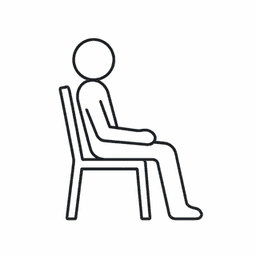 Recommended
Seated - Back Rested
Supported back, comfortable but attentive
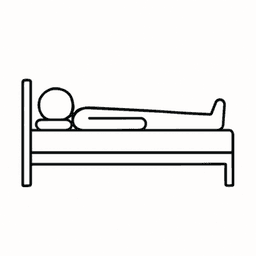
Lying Down - Knees Straight
Flat on back, legs extended
Sitting or lying down both work well for this calming practice
How to practice
- 1Sit or lie down in a comfortable position.
- 2Close your eyes and relax your body.
- 3Breathe in slowly through your nose for exactly 5 seconds.
- 4Breathe out slowly through your nose for exactly 5 seconds.
- 5Continue this even rhythm without pausing between breaths.
- 6Focus on smooth, steady breathing maintaining the 5-5 pattern.
- 7This creates 6 breaths per minute (optimal for HRV).
Good for
Research
Evidence level: Well-Supported
Steffen et al. (2017)
Frontiers in Public Health
Breathing at individual resonance frequency (approximately 6 breaths/minute) for 15 minutes resulted in significantly higher positive mood and LF/HF HRV ratio compared to breathing at different rates
Cited for Anxiety · Worry Building Up
Busch V, Magerl W, Kern U, Haas J, Hajak G, Eichhammer P. The effect of deep and slow breathing on pain perception, autonomic activity, and mood processing--an experimental study. Pain Med. 2012 Feb;13(2):215-28.
Cited for Breathe for Your Body · Chronic Pain
Safety & cautions
- Generally safe; people with cardiovascular disease, asthma, epilepsy or other significant conditions should seek medical advice first
- Practise at a relaxed pace (around 5 breaths per minute). If hyperventilation or dizziness occurs, reduce practice length or stop