Extended Exhale Breathing
Also known as Long Exhale, 4-6 Breathing
EasyPromisingWestern Clinical Practice
4Inhale
0Hold
6Exhale
0Hold
Emphasize longer exhale than inhale
Practice this techniqueBenefits
- Down-regulates arousal
- Eases tension after stress
- Improves heart rate variability
- Supports sleep and calm
Position
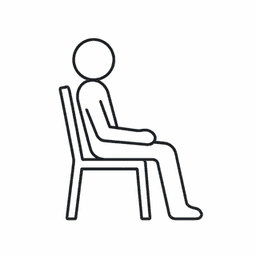 Recommended
Seated - Back Rested
Supported back, comfortable but attentive
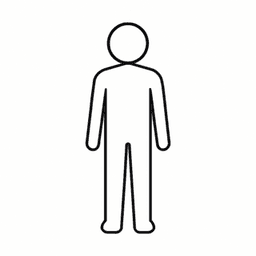
Standing
Upright, stable, alert
Sitting or standing both work well for this calming practice
How to practice
- 1Sit or stand comfortably; relax jaw and shoulders.
- 2Inhale through the nose for 4 seconds.
- 3Exhale through the nose for 6 seconds, smooth and unforced.
- 4Maintain gentle, even breaths and soften the body on each exhale.
Good for
Post-stress recoverySleep maintenanceGeneral calmingEnergy downshift
Research
Evidence level: Promising
Balban et al. (2023)
Cell Reports Medicine
Randomized controlled trial (n=108) demonstrated that cyclic sighing (extended exhalation breathing) produced significantly greater improvements in positive mood and reductions in respiratory rate compared to mindfulness meditation and other breathing techniques
Cited for Stress · Coming Out of Situations
Safety & cautions
- Generally considered safe; however, individuals with cardiovascular disease, uncontrolled hypertension, kidney disease, asthma, epilepsy or other serious medical conditions should consult a healthcare provider before doing any form of breathwork
- Emphasize gentle, relaxed breathing; avoid overly forceful or prolonged exhalations. If you feel light-headed or dizzy, return to normal breathing